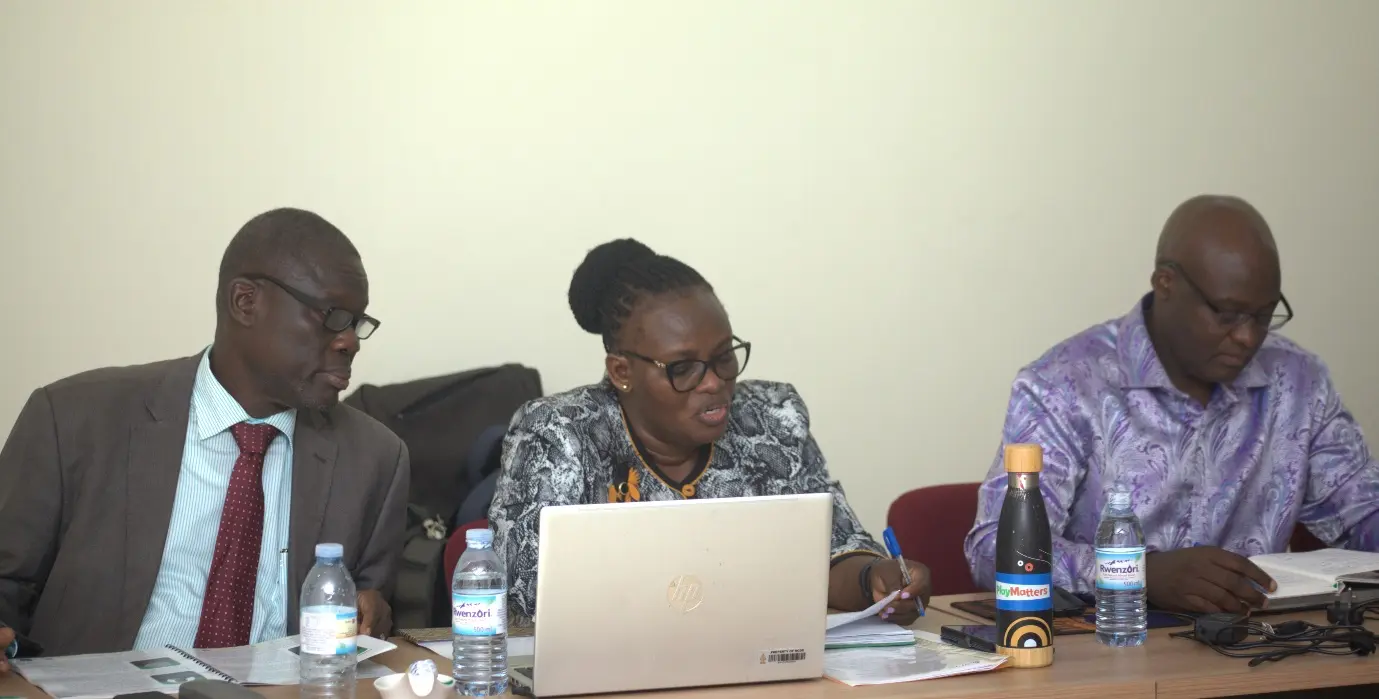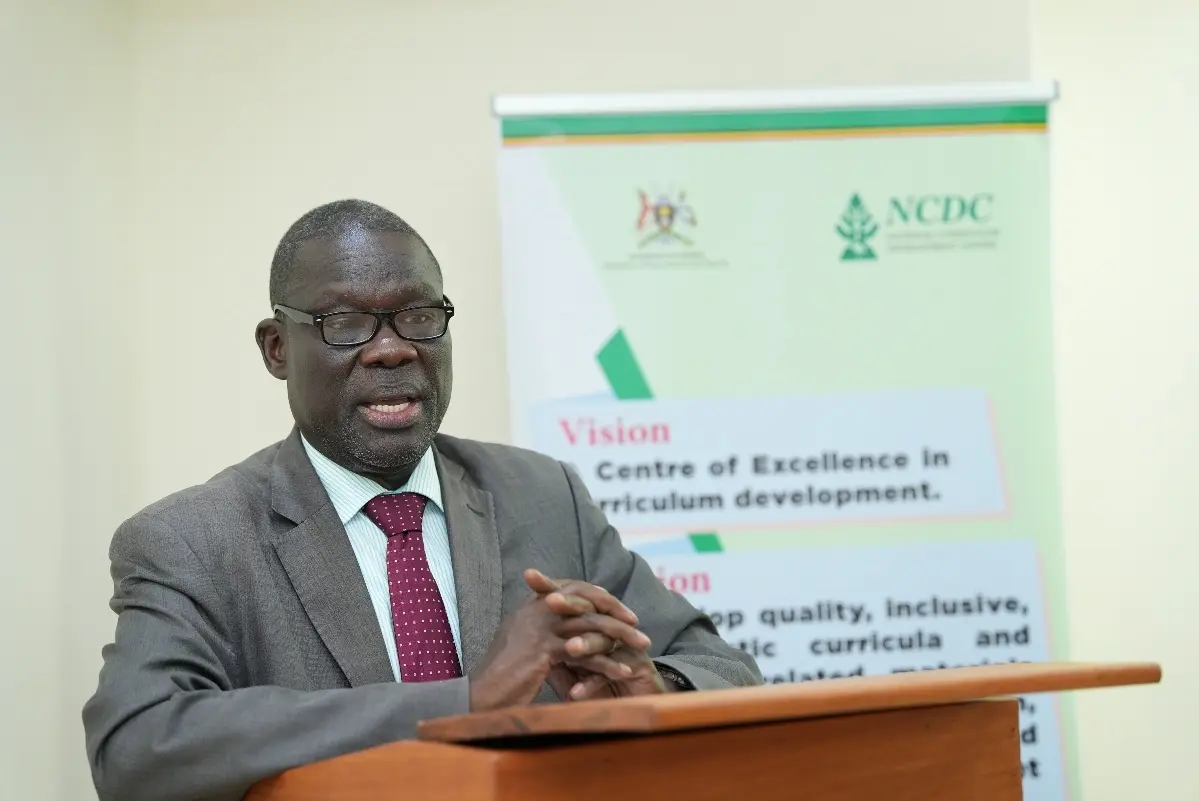
The National Curriculum Development Centre (NCDC) has convened a four-day induction retreat for members of its Audit and Risk Assurance Committee (ARAC) at Jinja Nile Resort to strengthen governance, accountability and institutional oversight. The retreat brings together Committee members, the NCDC Council, Management and technical experts to deepen their understanding of the Centre’s mandate, strategic direction, governance systems and risk management framework.
The induction programme is designed to equip Committee members with the knowledge and skills required to effectively discharge their oversight responsibilities in line with NCDC’s strategic objectives. Sessions cover the Centre’s legal mandate, organisational structure, institutional framework, financial regulations, internal audit systems, corporate governance, human resource management and risk management.
Speaking at the opening session of the retreat, the Chairperson of the NCDC Governing Council, Prof George Ladaah Openjuru, asked the new Audit and Risk Committee to provide independent oversight that supports the Centre to deliver effectively on its core mandate.
The Director of NCDC, Dr Bernadette Nambi Karuhanga, highlighted the Centre’s mandate to develop curricula and curriculum-related materials for pre-primary, primary, and secondary education, underscoring the importance of effective governance in delivering quality educational outcomes. She noted that strong oversight by the Audit and Risk Assurance Committee is essential for promoting transparency, accountability and prudent stewardship of public resources.
The retreat also features presentations from distinguished governance and public-sector experts, including representatives from the Institute of Corporate Governance of Uganda, the Petroleum Authority of Uganda, the Office of the Auditor General, and the Ministry of Public Service. These experts are sharing practical insights on corporate governance, internal auditing, institutional risk management, public financial management and retirement planning to enhance the Committee’s effectiveness.
Among the key topics discussed are the role of the Audit and Risk Assurance Committee in corporate governance, NCDC’s institutional strategy, financial regulations, the internal audit function, and collaboration with key accountability institutions to strengthen organisational performance.
The induction retreat reflects NCDC’s commitment to strengthening institutional governance systems, enhancing accountability and ensuring that the Centre continues to fulfil its mandate efficiently and effectively in support of Uganda’s education sector. By investing in the capacity of its governance structures, NCDC reinforces its mission of developing high-quality curricula that contribute to national human capital development and sustainable socio-economic transformation.