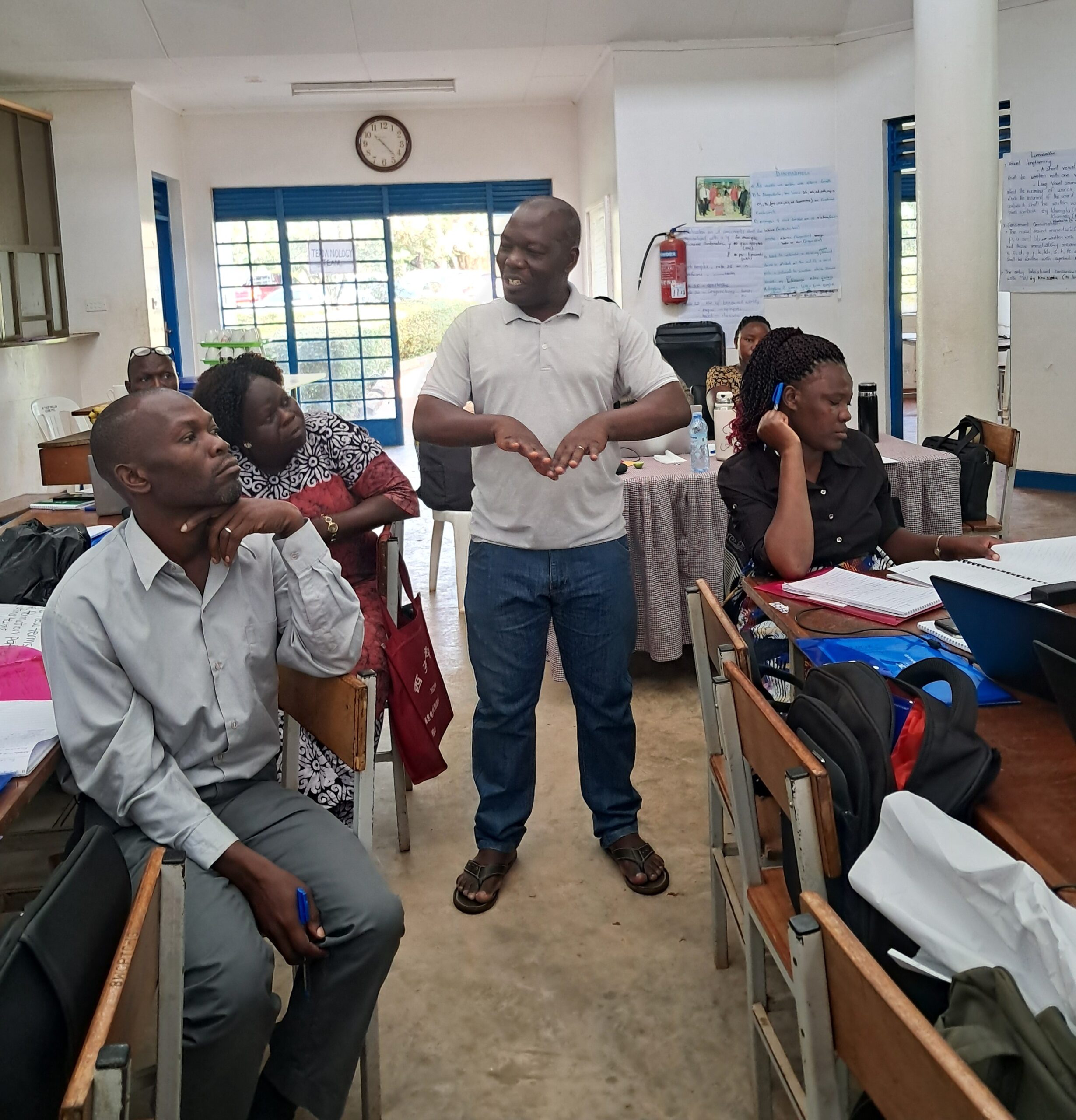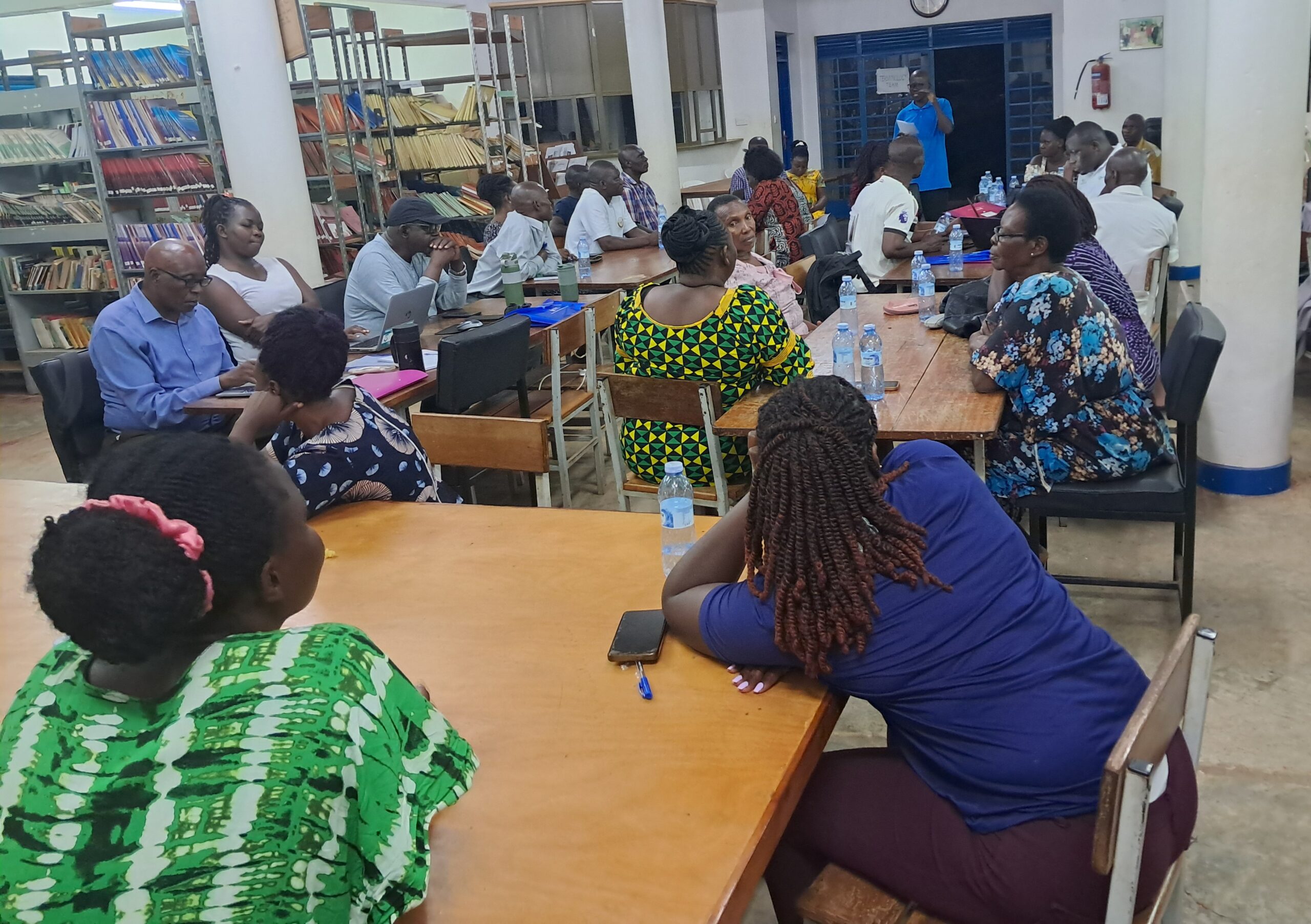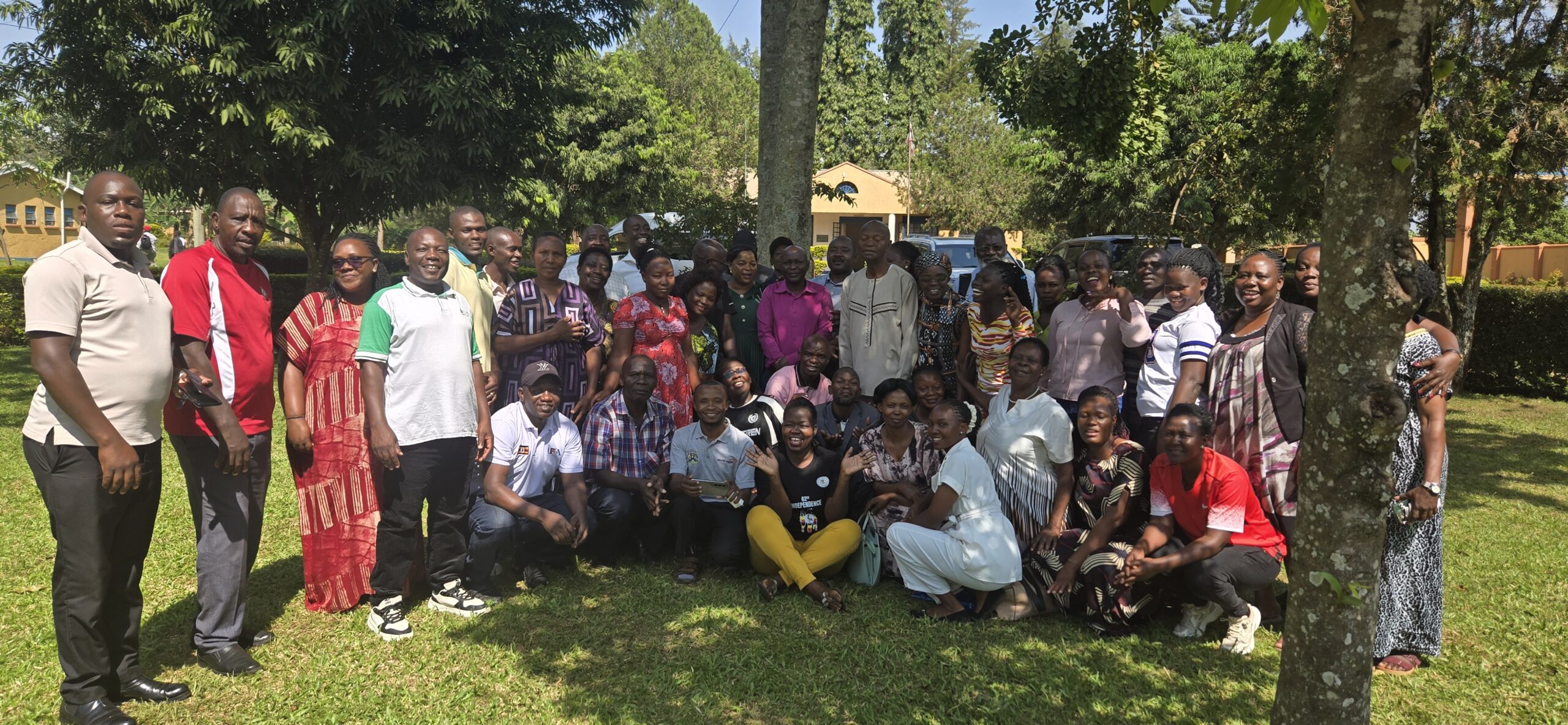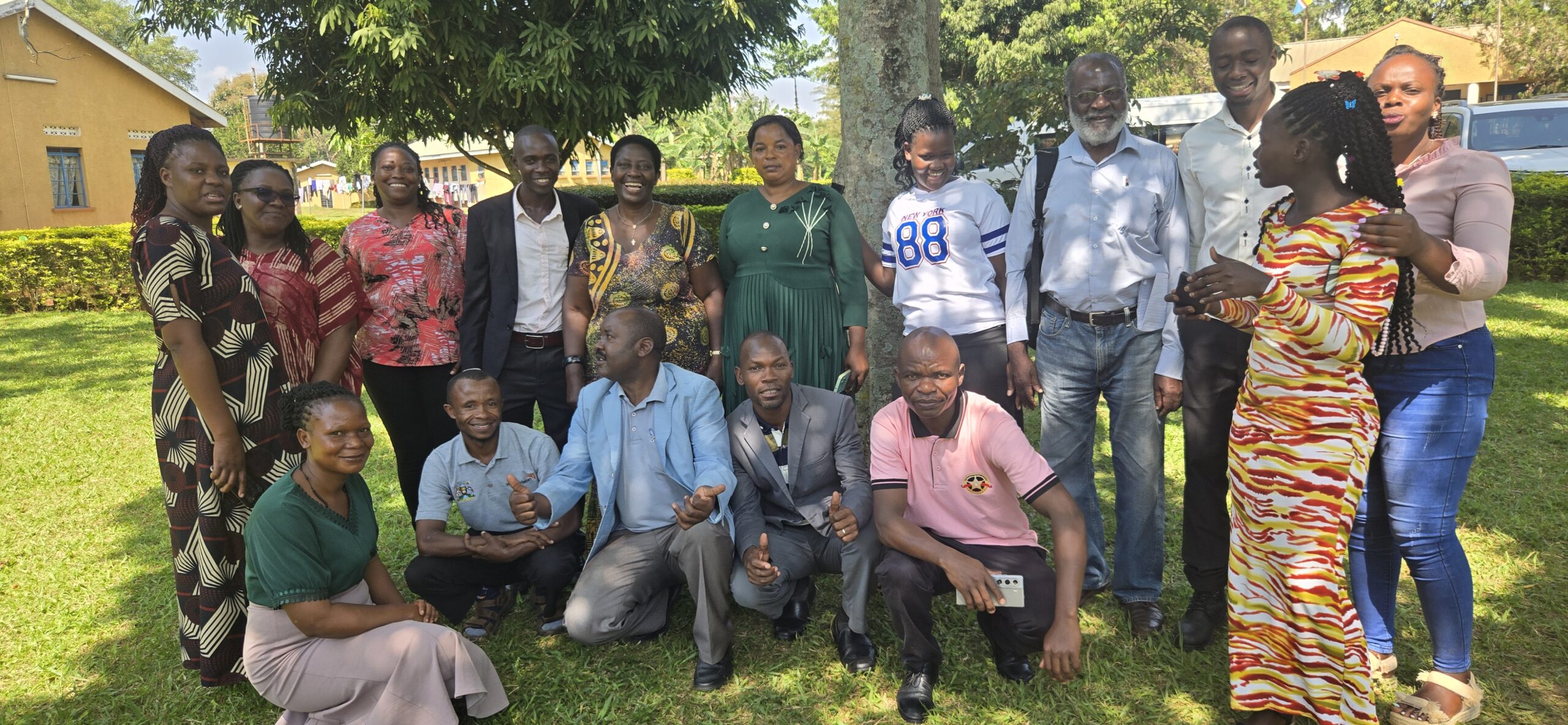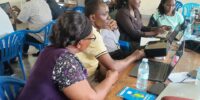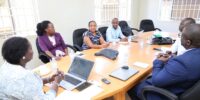
The National Curriculum Development Centre (NCDC) conducted a Terminology Development training aimed at strengthening the use and development of indigenous languages in education.
The training, held at Bishop Willis Core Primary Teachers’ College (CPTC), Iganga, brought together language specialists and other key stakeholders to develop and refine terminology for Lugisu, Lumasaaba, Lugbarati, Lubwisi, Runyoro-Rutooro and Dhopadhola.
The activity was part of NCDC’s efforts to promote the use of local languages as important tools for teaching, learning and the preservation of Uganda’s rich cultural heritage. Developing appropriate and standardised terminology enabled learners and teachers to effectively communicate and engage with concepts across different areas of the curriculum in their respective languages.
During the training, participants engaged in the identification, development, review and harmonisation of terminology relevant to education and other contemporary areas of knowledge. Particular attention was given to ensuring that the terms developed were linguistically appropriate, culturally relevant, clear and suitable for use in learning and teaching materials.
The training also addressed challenges associated with the availability of appropriate terminology for emerging concepts, particularly in areas influenced by technological, scientific and social developments. Through a participatory approach, language experts and practitioners drew on existing linguistic resources, cultural knowledge and contemporary usage to develop terminology that could be consistently applied in educational contexts.
The development of indigenous language terminology is important in supporting inclusive and effective learning, particularly at foundational levels of education where learners benefit from instruction in familiar languages. It also contributes to the preservation and promotion of Uganda’s diverse linguistic heritage while ensuring that local languages remain responsive to changing educational and societal needs.
The activity formed part of NCDC’s broader mandate to develop and review curricula and instructional materials that respond to Uganda’s educational priorities and the needs of learners.
At the conclusion of the training, the developed and reviewed terminology provided an important reference for curriculum developers, teachers, textbook developers and other education stakeholders involved in the production of learning and teaching materials in the respective languages.
Through the training, NCDC continued to support the development of contextually relevant, inclusive and culturally responsive education, while strengthening the role of Uganda’s indigenous languages in the education system.