The National Curriculum Development Centre (NCDC) has called for stronger integration of practical green skills into training programmes to equip Ugandans with competencies that promote environmental sustainability, entrepreneurship and employment.
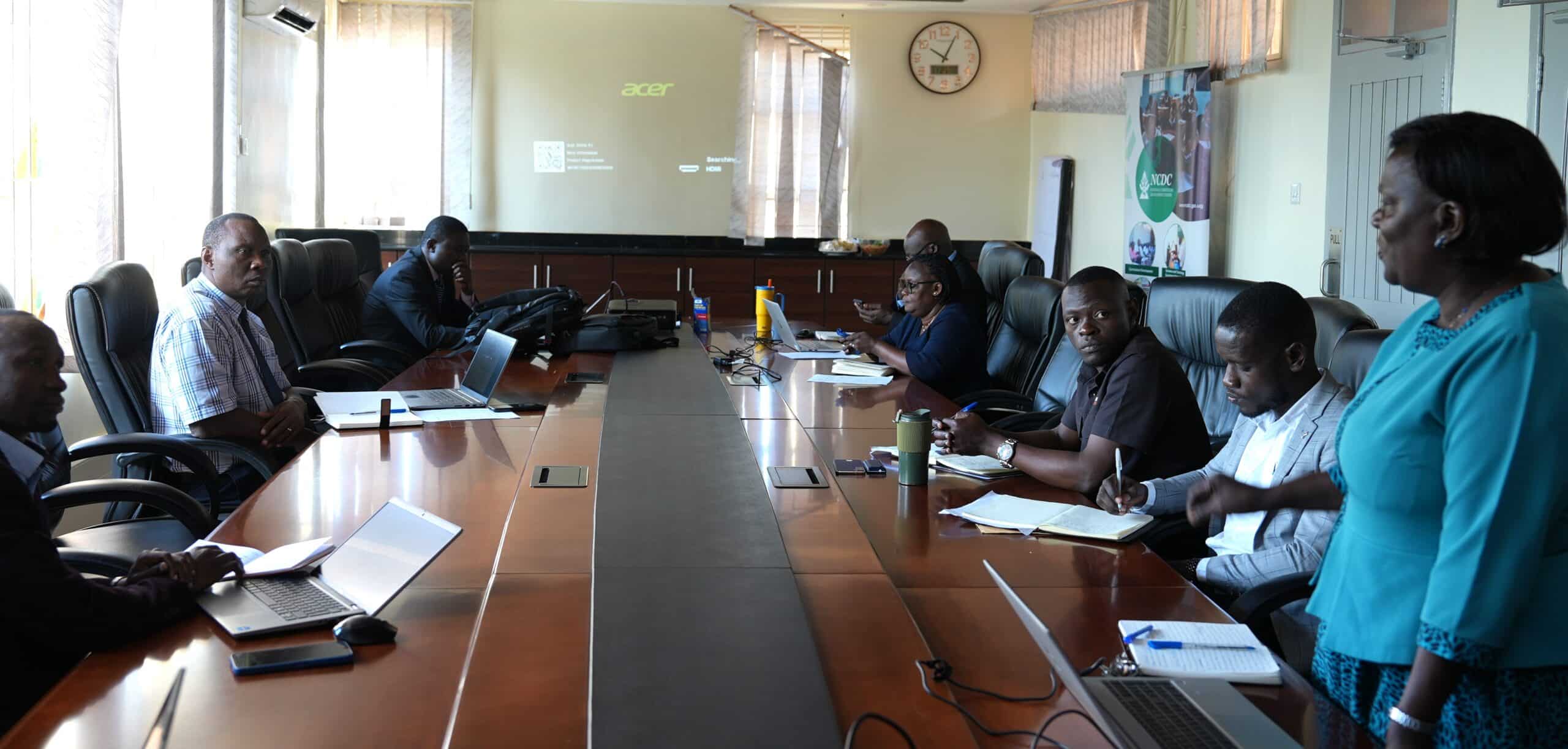
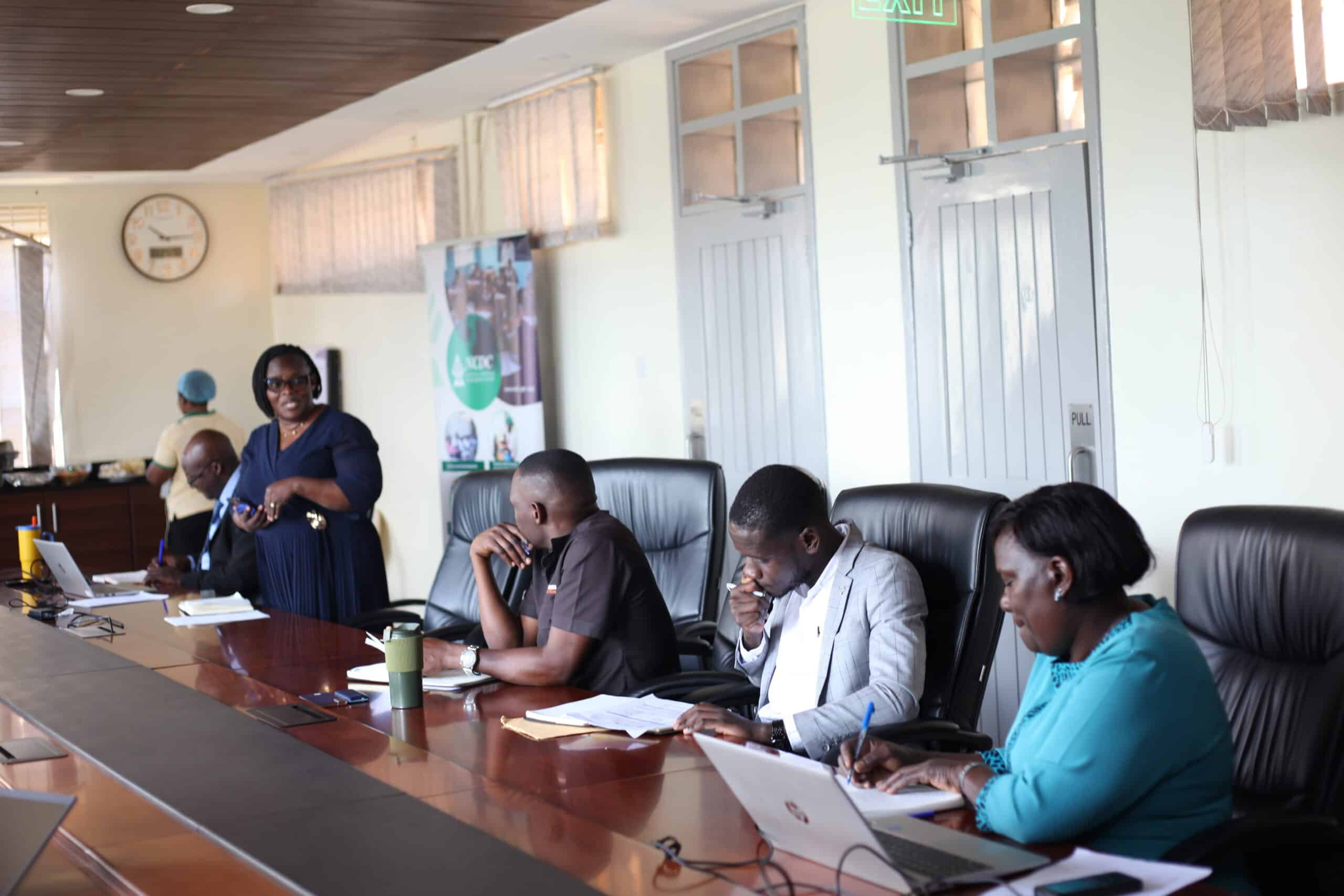
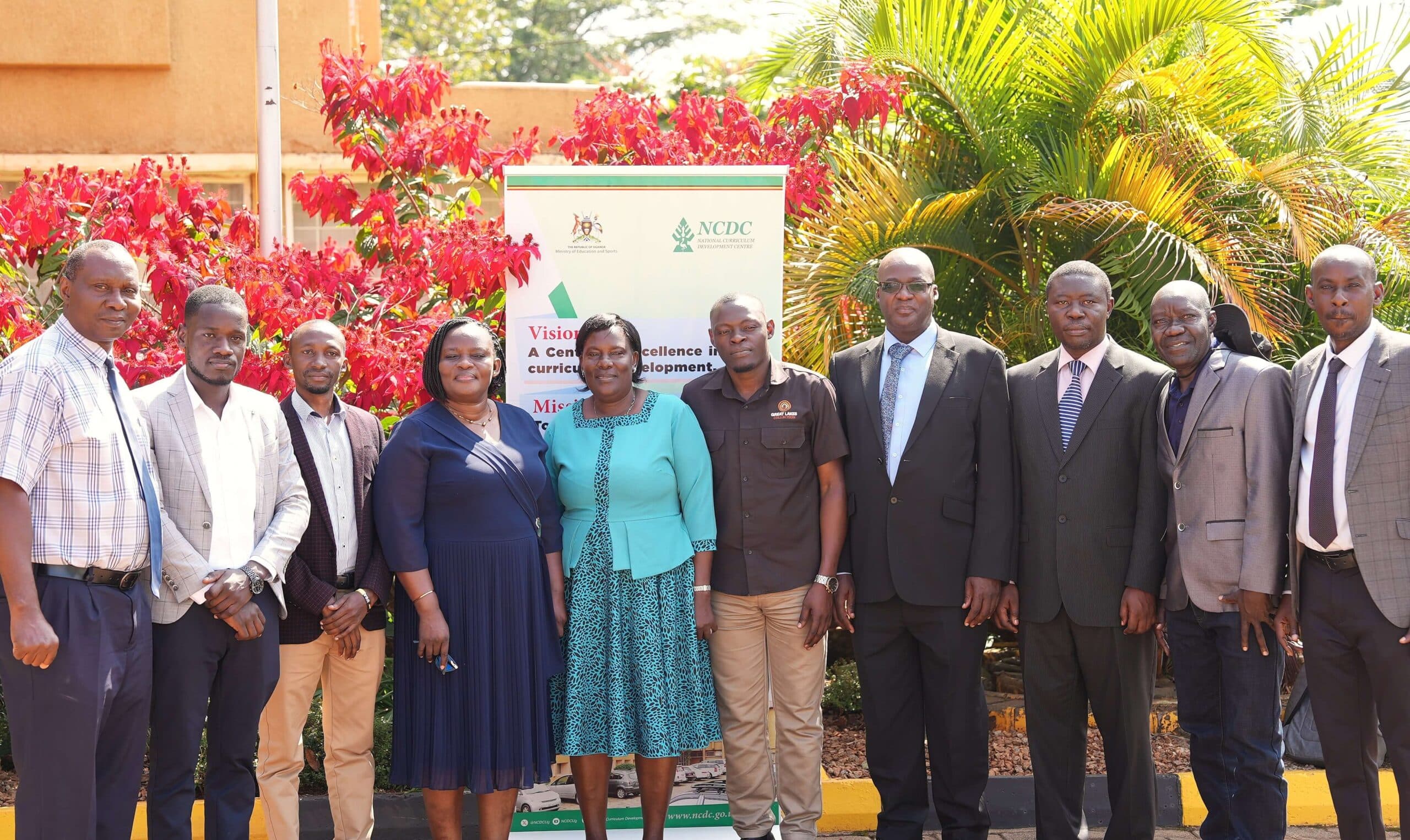
The call was made during the opening of a three-day stakeholder workshop at NCDC, convened to review draft guidelines for the design and delivery of curricula that equip learners with green skills relevant to Uganda’s emerging green economy.
The guidelines were developed as part of GreenVET4U, a collaborative capacity-building project involving NCDC and Ugandan private-sector and higher-education partners, together with European organisations. The project partners include INFODEF (Spain), NCDC (Uganda), ASPIRE Education Group GmbH (Germany), Centro Servizi Formazione Società Cooperativa Sociale (CSF, Italy), Great Lakes Safaris Ltd (Uganda) and Makerere University Business School (Uganda).
The project seeks to strengthen the capacity of vocational education and training providers and private entities to collaborate in developing and delivering innovative curricula that respond to the skills requirements of green jobs in Uganda.
In her remarks during the workshop, the NCDC Director, Dr Bernadette Nambi Karuhanga, emphasised the importance of translating curriculum development into practical learning experiences that deliver meaningful impact in society.
She noted that the initiative was timely, given the growing global emphasis on environmental preservation and the need to prepare present and future generations to become responsible custodians of the environment.
Dr Nambi urged stakeholders to critically examine the proposed guidelines and ensure that they are practical, contextualised, responsive to industry needs and feasible for implementation by training institutions.
“The learning experiences we package for students should make them ambassadors of environmental sustainability. We need to focus on the impact these interventions will have on our lives, our country and society,” she said.
She reaffirmed NCDC’s commitment to supporting skills development and strengthening collaboration between training institutions and industry through curriculum development informed by labour-market needs. She also commended the European Union and GreenVET4U partners for supporting Uganda’s efforts to build capacity for green development and employment.
The Deputy Director Research, Consultancy and Library Services, Dr Richard Irumba, highlighted the growing global demand for skills development and the importance of strengthening vocational education and training systems to respond to emerging labour-market needs.
He noted that Uganda’s evolving Technical and Vocational Education and Training (TVET) framework provides an important context for advancing skills development. He called for stronger cooperation between vocational education and training providers and private-sector entities in designing and developing innovative curricula for green jobs.
GreenVET4U commenced in December 2023 and was formally launched in March 2024. Its interventions have focused on two priority sectors: eco-tourism and waste management. The project has explored practical learning approaches, digital tools and micro-credentials as mechanisms for developing and validating green competencies.
The draft guidelines provide recommendations on identifying green skills needs, developing competence-based curricula, strengthening work-based learning and assessing competencies through practical demonstrations and other forms of evidence.
The Manager of the Lifelong Skills and Co-curricular Department at NCDC, Ms Alisat Gule Wabomba, welcomed the recognition of Uganda as one of the countries selected to benefit from the GreenVET4U initiative. She noted that the country’s rich natural resources present opportunities for promoting responsible resource utilisation and sustainable livelihoods.
Ms Wabomba emphasised that green skills development goes beyond environmental conservation, highlighting its potential to address unemployment by equipping people with competencies relevant to emerging opportunities in the green economy.
She called on stakeholders to move beyond developing curriculum materials and ensure that the knowledge and practices promoted through the programme are reflected in everyday life, including the responsible use of natural resources and environmental protection.
The Project Coordinator, Mr Bernard Janja, observed that green skilling requires a shift in mindset and should be reflected in people’s everyday decisions and practices.
He explained that environmental responsibility should extend to how people manage waste, dispose of materials, recycle and reuse products, rather than being confined to formal training programmes.
As the project approaches its conclusion, stakeholders are expected to draw on its outcomes to strengthen collaboration between training institutions and industry, promote practical green skills development and support the preparation of a workforce capable of contributing to Uganda’s green economy.
Through its curriculum development expertise and stakeholder engagement, NCDC continues to support efforts to ensure that learning responds to societal needs and equips learners with relevant knowledge, skills and competencies for sustainable development.